


You are booking a flight to Istanbul and your manager asks one question: how many days do you need? Most UK hospital leaflets put time off work after rhinoplasty at up to two weeks (the NHS and Coventry) or at least two weeks (Cambridge). Hull is the exception: it says there is no medical reason to stay off a desk job, though two weeks is more comfortable while the bruising settles. Your surgeon sets your own date.
Key takeaways
- Three of the five UK sources we compared say up to or at least two weeks off work after rhinoplasty; Hull says desk workers have no medical need to stay off, and Bath says most people live normally within two weeks.
- Coventry separates the rules: no heavy work and no crowded places for 1 week, but no work at all for up to 14 days.
- Bruising around the eyes settles within 10 days (Bath) or within 2 to 3 weeks (Coventry, Hull), which is why jobs that face people are the hard part.
- With a Monday operation and Sunday arrival, being back at work on day 14 takes 10 working days of leave; a Wednesday operation with Tuesday arrival takes 11.
Several of the leaflets below use the word septorhinoplasty. It means rhinoplasty combined with straightening the septum, the wall between the two nostrils.
What do hospital leaflets say about time off work?
Five UK sources give a figure, and they agree more than they differ. The table puts the work advice next to the rules that sit beside it.
| Source | Time off work | Related rule in the same source |
|---|---|---|
| NHS, nose reshaping page | Up to 2 weeks | No work-related rule given |
| Cambridge University Hospitals | At least 2 weeks | Rest at home; avoid crowds, smoky places and people with coughs and colds; no flying for 2 weeks |
| Hull University Teaching Hospitals | No medical reason for most jobs; 2 weeks is more comfortable | Physical jobs and heavy lifting are the exception; bruising takes 2 to 3 weeks to clear |
| Coventry and Warwickshire (UHCW) | Up to 14 days | No heavy work for 1 week; no crowded places for 1 week; driving again after 48 hours |
| Royal United Hospitals Bath | Most people lead a normal life within 2 weeks | Bruising around the eyes usually settles within 10 days |
These are UK leaflets written for patients of those hospitals. Treat them as a range of normal practice. They are not your instructions.
Why do the leaflets disagree?
They give different reasons. Coventry says the 14 days are there to reduce the risk of infection and allow the nose to heal. Cambridge says the same thing in practical terms: rest at home and keep away from crowds and people with coughs and colds. Hull does not frame it as a health rule at all. It says the only reason to take two weeks is comfort while the bruises fade, and that heavy lifting is a different matter.
The advice mixes three separate questions:
- Can your body do the job? The leaflets tie this to heavy work, which Coventry restricts for a week.
- Can you stay away from infection? Offices, trains and schools are full of coughs.
- Can you be seen? Bruising and a splint are visible, and the leaflets give 10 days to 3 weeks for the bruising.
Work out which one is your real constraint before you pick a number.
How many days of leave should you book for a trip to Turkey?
Count working days from the first day you are away until the first day you are back, including the day before surgery if you fly in then. In common practice in Turkey, a primary rhinoplasty means arriving one day before for blood tests and staying 7 nights after, with the splint removed on day 7 (editorial note, October 2026). Day 0 is the day of the operation.
The table counts working days off, Monday to Friday, for two common patterns. A flight home on day 8 makes day 9 the earliest realistic first day back.
| Operation day and arrival | First day back | Working days of leave |
|---|---|---|
| Monday, arriving Sunday | Wednesday of week 2 (day 9) | 7 |
| Monday, arriving Sunday | Monday of week 3 (day 14) | 10 |
| Wednesday, arriving Tuesday | Friday of week 2 (day 9) | 8 |
| Wednesday, arriving Tuesday | Wednesday of week 3 (day 14) | 11 |
Two points come out of the table. A Monday operation with a Sunday arrival saves a day of leave, because the arrival day falls on a weekend. And a day-9 return puts you back at work the day after a flight and a splint removal, which Cambridge’s advice not to fly for two weeks makes a question for your surgeon, not a given. Our guide to flying after rhinoplasty covers that window, and how long to stay in Turkey covers the trip itself.
If your leave is unpaid, the extra days are a cost, which belongs next to the price in the rhinoplasty cost guide.
Does your job change the answer?
Yes, and the leaflets point to four things in particular.
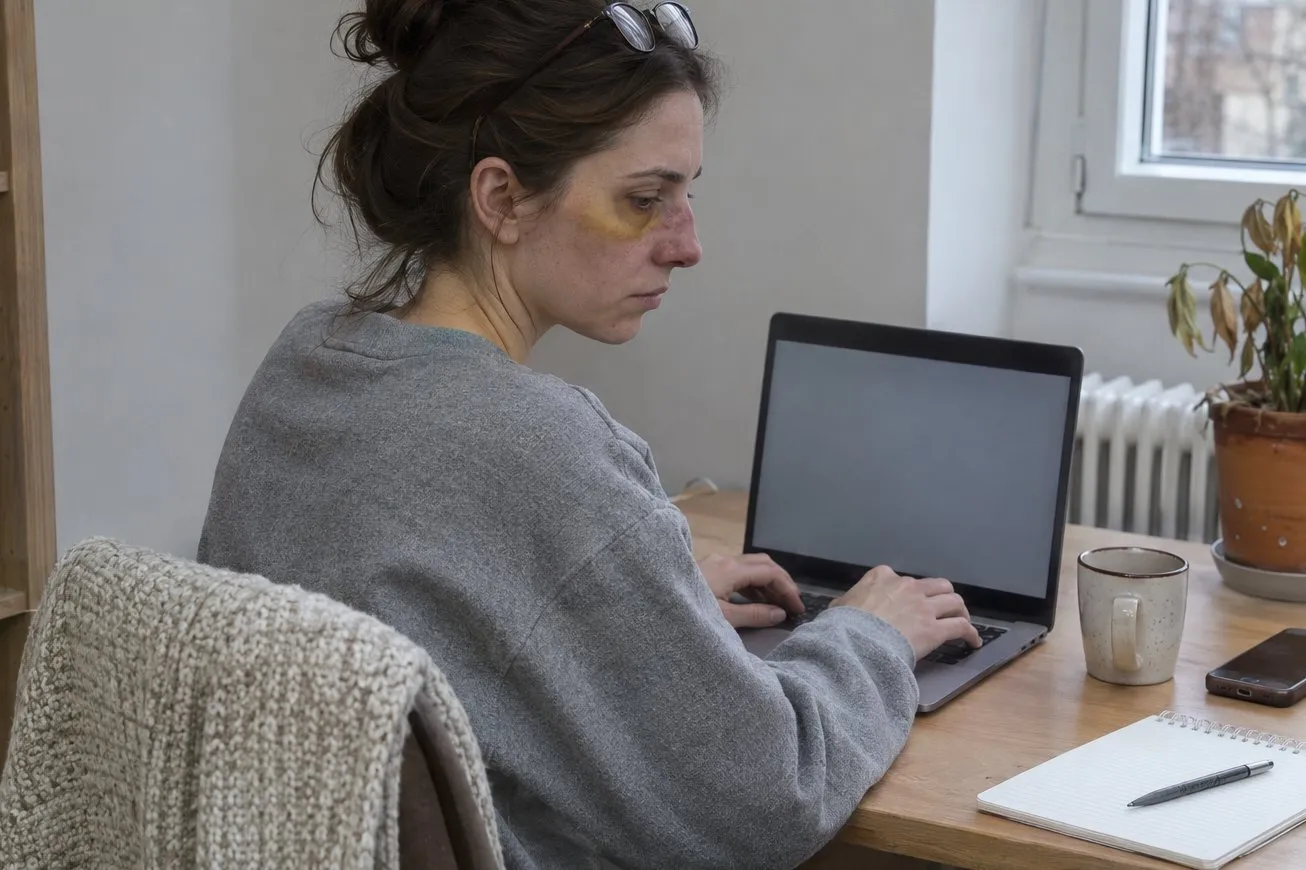
- Desk or remote work. Hull is the only source that says there is no medical reason to stay off. Even so, it suggests two weeks for comfort.
- Jobs that face people. The swelling and bruising are the issue, not your health. Bath says bruising around the eyes usually settles within 10 days; Coventry and Hull say 2 to 3 weeks. If you have a client meeting or a camera, work from the longer figure. Our swelling guide covers what is known about the early weeks.
- Physical jobs. Hull names physical jobs and heavy lifting as the exception, and Coventry says to avoid heavy work for a week. If grafts or bone work were part of your operation, ask your surgeon whether that changes the date.
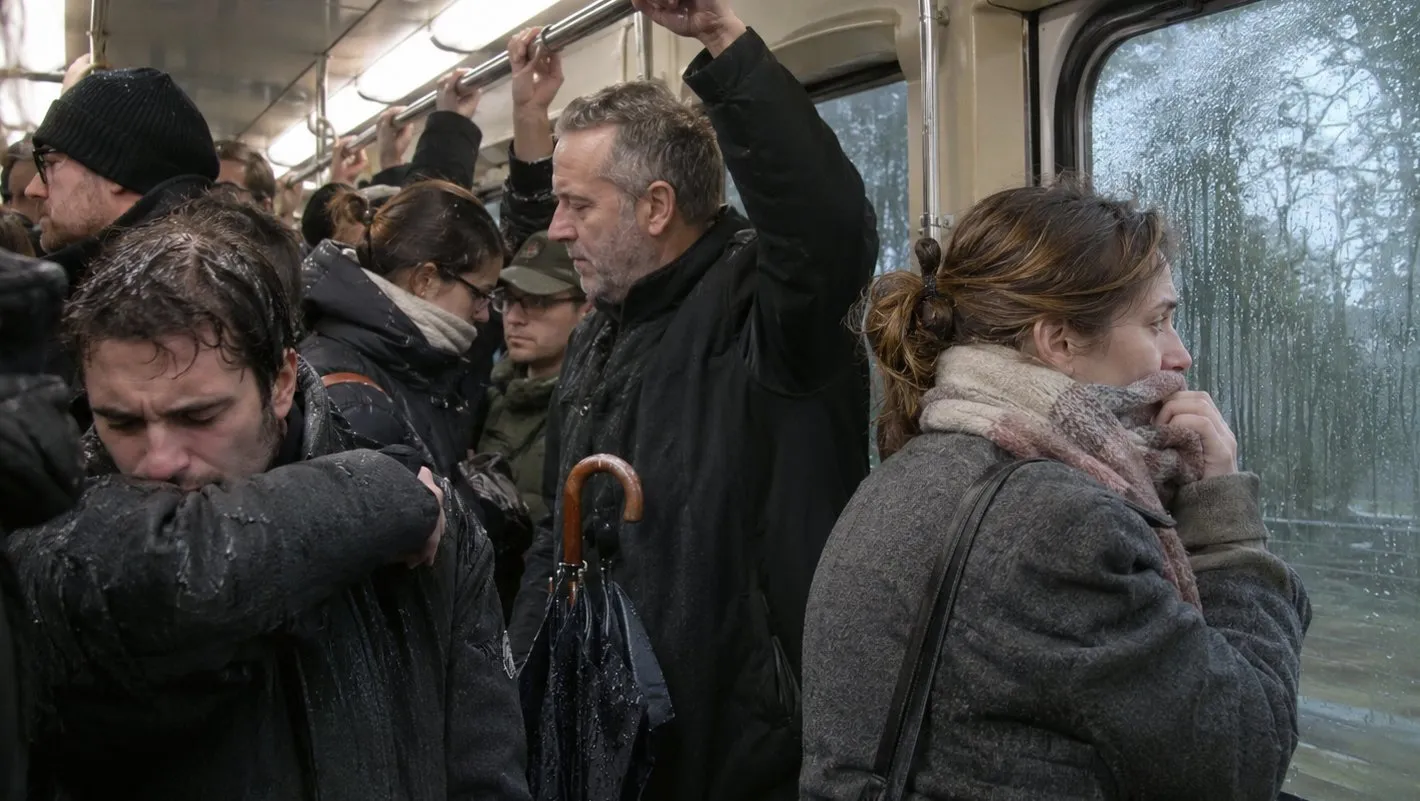
- Commuting. Coventry says to avoid dusty or smoky places and crowded places such as pubs and parties for a week. A packed train is the same problem. Ask whether a commute counts.
Driving is the one item with a precise number: Coventry says you may drive again 48 hours after the operation. Other leaflets do not give a figure, so ask.
Exercise is on a different clock from work. The NHS page says strenuous exercise or contact sports may be off limits for 4 to 6 weeks, and the leaflets that mention it say 6 weeks for contact sports, so going back to the office does not mean going back to the gym; see exercise after a nose job.
What paperwork might your employer ask for?
This varies by country and employer, so the leaflets cannot answer it. Two of them describe the UK system: Coventry says a sick note covers you while you are in the hospital and a GP issues further ones, and Hull says you can self-certify for the first week and need a doctor’s certificate after that. Neither applies if you have surgery abroad and work elsewhere.
What you can do is decide before you book what proof you would need and ask the clinic whether it issues it. The questions below cover that.
Questions to ask your surgeon
- On which day will I be fit for desk work, and on which day for a job that involves lifting?
- Will the splint be on when I fly, and on which day can I fly home?
- When can I drive?
- Which places should I avoid in the first week, and does a commute count?
- What will the bruising look like on day 7, day 10 and day 14, for my type of operation?
- Do you issue a letter for my employer, and in which language?
- If I need to stay longer, who changes my hotel booking and what does it cost?
Sources
Sources opened October 2026. Turkish practice on arrival day and splint removal is an editorial note from the Turkish market, October 2026.
- NHS, Nose reshaping (rhinoplasty), page last reviewed 22 September 2023: up to 2 weeks off work.
- Cambridge University Hospitals, Information after septorhinoplasty, approved 20 November 2023.
- Hull University Teaching Hospitals NHS Trust, Rhinoplasty discharge advice.
- University Hospitals Coventry and Warwickshire, Discharge advice after rhinoplasty, version 5, updated November 2024.
- Royal United Hospitals Bath NHS Foundation Trust, Rhinoplasty leaflet ENT/025, published December 2023.


