


You are on the sofa on a Tuesday evening, three clinic chats open on your phone, and one of them has just offered a video call “with our team” tomorrow at 9 a.m. Is that call a consultation? It depends on who is on the screen. An online consultation before rhinoplasty abroad counts only when the person who will operate on you is the one talking to you, looking at your photos and answering your questions.
Key takeaways
- The NHS says to have a consultation with the surgeon, not only with sales staff, and not to pay to see a surgeon you have not met.
- The NHS advises two consultations with the treating surgeon before surgery, which also gives a cooling-off period that is normally 2 weeks in the UK.
- BAAPS warns that a UK representative of a clinic may be a nurse or surgical adviser rather than a cosmetic surgeon.
- The CDC advises discussing the plan for complications with both home and overseas health professionals and requesting English copies of overseas records.
The sources below are written mostly for UK and US patients. None of them describes video calls as such, so the checks here are built from what they say about meeting the surgeon, and the call is simply where that meeting happens first.
Who should be on the call?
The operating surgeon should be on at least one of your calls, and the NHS is direct about it: “make sure you have a consultation with the surgeon (avoid meetings only with sales people)” and “do not pay to see a surgeon you have not met.” BAPRAS says that abroad “you will often not see your surgeon or discuss treatment in much detail beforehand.” BAAPS adds that people travelling abroad “may meet their surgeon for the first time on the day of their procedure” and that a clinic’s UK representative “may be a nurse or surgical adviser, rather than a cosmetic surgeon.”
Ten seconds into the call, you can sort it:
| If the person on screen… | Then it is probably… |
|---|---|
| Gives their full name, specialty and registration number, and says they will operate | A surgeon consultation |
| Talks about packages, dates, discounts and deposits | A sales call |
| Says “the doctor will look at your photos later” | A sales call, with a surgeon step still to come |
| Is a coordinator who relays questions to the surgeon | An intermediary: ask for the surgeon directly |
A sales call covers travel and booking, which is a different job from a surgical consultation. The problem starts when it is the only conversation you have before paying.
How many consultations should you have?
The NHS says: “You should have 2 consultations with the surgeon treating you before any surgery.” Having them apart gives you what the NHS calls “a cooling-off period, which is normally 2 weeks in the UK.” A surgeon quoted by the American Society of Plastic Surgeons (ASPS) in June 2024 described the same pattern for patients who travel to the practice: “multiple virtual visits and then an in-person visit before we operate on them.”
For rhinoplasty abroad, that translates into a simple plan:
- First call: the surgeon looks at your photos and listens to what bothers you about your nose.
- A gap of days, in which you read, compare and sleep on it.
- Second call: your questions, in writing, with the answers also in writing.
- Only then, a deposit.
If a clinic wants money before the first call with the surgeon, BAPRAS puts the principle plainly: you should “never feel compelled for financial reasons” to go ahead if you change your mind, and what happens to your money if you do must be settled “before you enter a contract” with the company arranging the surgery. Our guide to choosing a rhinoplasty surgeon covers how to check the surgeon’s registration yourself, on the regulator’s own site.
What should you ask in the first online consultation?
Write the questions down before the call and keep the answers. The NHS, BAPRAS and BAAPS lists overlap, and together they give a short set:
- What is your training and qualification, and which professional organizations do you belong to?
- How many similar operations have you performed?
- Do you speak a language I understand well enough to discuss surgery?
- Who is on the surgical team, and who will be with me during the operation?
- Can I see before and after pictures of your own work? Our guide to judging before and after photos explains what to look for.
- Can I speak to former patients?
- If your clinic uses a digital preview, what does it show and what does it not promise?
What should you ask about aftercare before you pay?
The NHS says “Aftercare is an important part of treatment” and warns that “overseas clinics may not provide follow-up treatment, or they may not provide it to the same standard as in the UK.” BAPRAS says most clinics overseas “provide only limited or no aftercare once you are back in the UK.” So the call is the time to get the arrangements, not after the operation.
Ask:
- What happens if there are complications, and who pays?
- Where are the follow-up appointments, and are they included in the price?
- Can I message you directly after I get home, and how fast do you usually reply?
- Will I get a copy of my records, in English, before I fly?
On records, the CDC says travelers should “request copies of their overseas medical records in English” and share them with whoever provides follow-up care at home. Its Yellow Book page (April 2025) also says medical tourists should discuss the plan for complications with both their home and overseas health professionals, and that “local follow-up care should be coordinated” before travel. For what the stay and the trip home usually involve, see going home after rhinoplasty in Turkey.
What does an online consultation not replace?
A screen cannot replace being in the room. The ASPS-quoted surgeon’s pattern ends with an in-person visit before the operation, and the NHS asks for two consultations without saying whether they happen on video or face to face. If the second meeting only happens after you land, that is worth knowing before you book flights. Ask:
- When will I meet you in person: before the day of surgery, and with how many days to spare?
- If we meet in person and I am not comfortable, will my deposit be refunded?
The second question matters because a first in-person meeting on the day of surgery leaves no room to change your mind. Our guide to what an all-inclusive package should cover lists the other items worth getting in writing, and the travel insurance guide explains why a standard holiday policy often will not help if something goes wrong.
A one-page list for the call
Copy this into your notes:
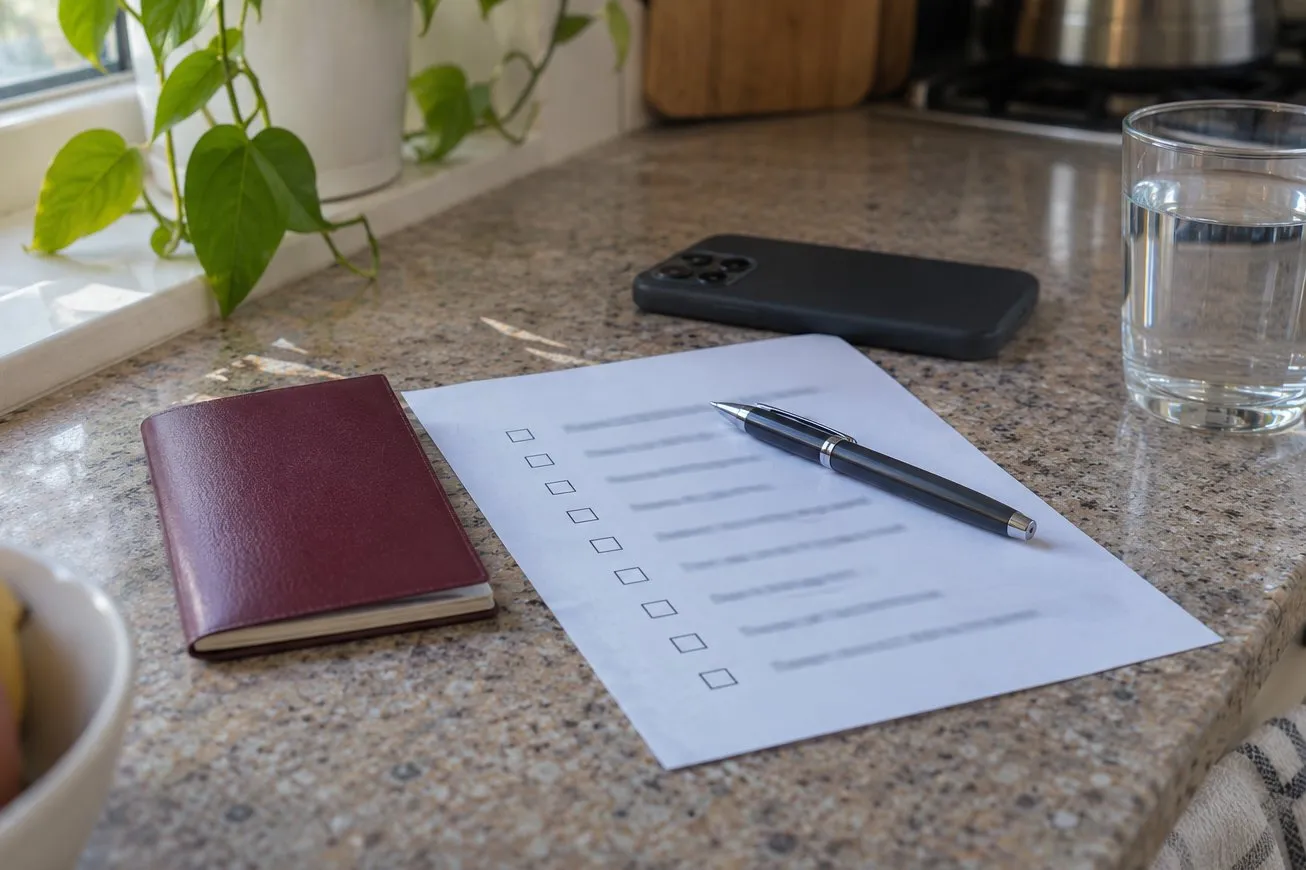
- Surgeon’s full name, specialty, registration number
- Surgeon will personally operate: confirmed in writing
- Two consultations with the surgeon, with days between them
- Date of the in-person meeting
- Deposit terms, and what happens to it if you withdraw
- Who is on the team and what language they speak
- Aftercare: where, how long, who pays
- English copy of records before you fly
Sources
- NHS, Cosmetic surgery abroad (page last reviewed 14 December 2022): consultations with the surgeon, cooling-off period, questions, aftercare.
- BAPRAS, Cosmetic surgery abroad: seeing the surgeon beforehand, checklist, contracts, aftercare.
- BAAPS, Cosmetic tourism: first meeting with the surgeon, UK representatives, back-up and aftercare.
- CDC, Medical tourism, Yellow Book (April 2025): records in English, follow-up care, complication plan.
- ASPS, Planning a summer trip: what you need to know about medical tourism (26 June 2024): virtual visits followed by an in-person visit.


